Cinematic Linguistics: Decoding Hidden Language Easter Eggs in International Films
Ever sat through a foreign thriller and caught a line that seemed to wink at you, like a secret handshake between the filmmaker and the audience? That’s the magic of hidden language Easter eggs—tiny linguistic riddles that slip into subtitles, background signage, or even the cadence of a character’s speech. They’re the kind of detail that makes you rewind the scene, smile, and feel like you’re part of an inside club. In this post I’m pulling together a list of movies that treat language not just as a vehicle for story, but as a playground for hidden jokes, cultural nods, and clever code‑breaking moments. Grab some popcorn, keep a notebook handy, and let’s explore how these films whisper in multiple tongues.
Why These Films Hit Different
First off, the allure isn’t just that the movies are multilingual or set abroad. It’s that the creators deliberately plant linguistic Easter eggs that reward attentive viewers. A billboard in Mandarin that reads “Love is a virus” in a Korean romance, a subtitle typo that becomes a running gag, or a character who slips a line from an old folk song into a heated argument—these moments turn passive watching into an active treasure hunt. They also reveal something about the filmmakers’ relationship with language: a love‑letter to their own cultural roots, a cheeky jab at global audiences, or a commentary on how translation can both reveal and conceal meaning.
Second, these films prove that language can be a narrative character in its own right. In “The Lives of Others” (2006) the whispered German phrases carry the weight of surveillance, while in “Parasite” (2019) the English‑speaking “rich family” jokes are a thinly veiled critique of class and global capitalism. When directors embed linguistic riddles, they’re inviting us to decode subtext the way a cryptographer cracks a code. The payoff is a richer, more layered experience that stays with you long after the credits roll.
The Movies You Need to Watch

Lost in Translation (2003)
Two lost souls visiting Tokyo -- the young, neglected wife of a photographer and a washed-up movie star shooting a TV commercial -- find an odd solace...
1. Lost in Translation (2003)
Director: Sofia Coppola | IMDB: 7.7/10 Sofia Coppola’s Tokyo‑set dramedy is a masterclass in cultural miscommunication, and the subtle Japanese‑English wordplay is pure gold. The “Hikaru” sign in the karaoke bar, which literally means “light,” doubles as a metaphor for the protagonists’ fleeting connection. The pacing can feel languid at times, but the quiet moments are where the linguistic jokes truly shine. 🎬 Watch on Amazon Prime Video
Amélie (2001)
At a tiny Parisian café, the adorable yet painfully shy Amélie accidentally discovers a gift for helping others. Soon Amelie is spending her days as...
2. Amélie (2001)
Director: Jean‑Pierre Jeunet | IMDB: 8.3/10 Parisian whimsy meets linguistic sleight‑of‑hand when the narrator slips in a faux‑French phrase that sounds like a vulgar insult—only native speakers catch it. The film’s visual gags are iconic, yet the subtle wordplay adds a layer of adult humor that kids miss. Some may find the pacing uneven, especially the long montage of café scenes, but the language Easter eggs keep the narrative fresh. 🎬 Watch on Amazon Prime Video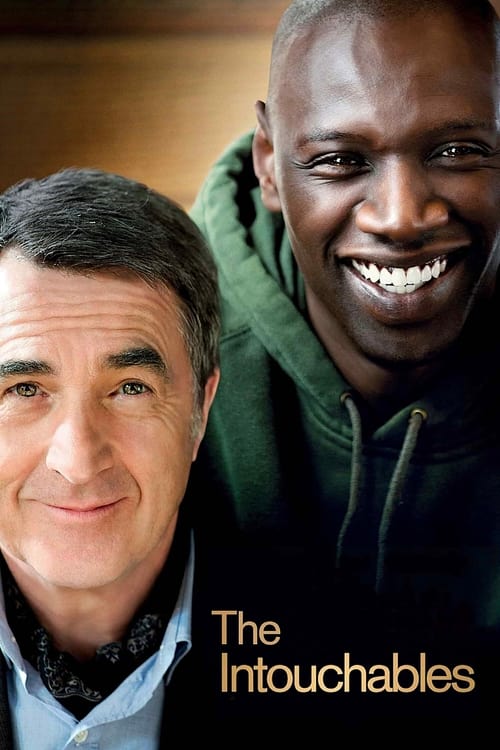
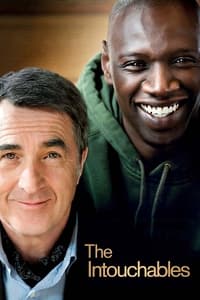
The Intouchables (2011)
A true story of two men who should never have met – a quadriplegic aristocrat who was injured in a paragliding accident and a young man from the pro...
3. The Intouchables (2011)
Director: Olivier Nakache & Éric Toledano | IMDB: 8.5/10 The comedy‑drama’s most clever Easter egg is a recurring line where Driss mispronounces “café” as “cah‑fay,” turning a simple coffee order into a running gag about class and education. The chemistry between the leads is undeniable, though the film leans heavily on sentimentality in its final act. Still, the linguistic quirks make each re‑watch feel like a new discovery. 🎬 Watch on Amazon Prime Video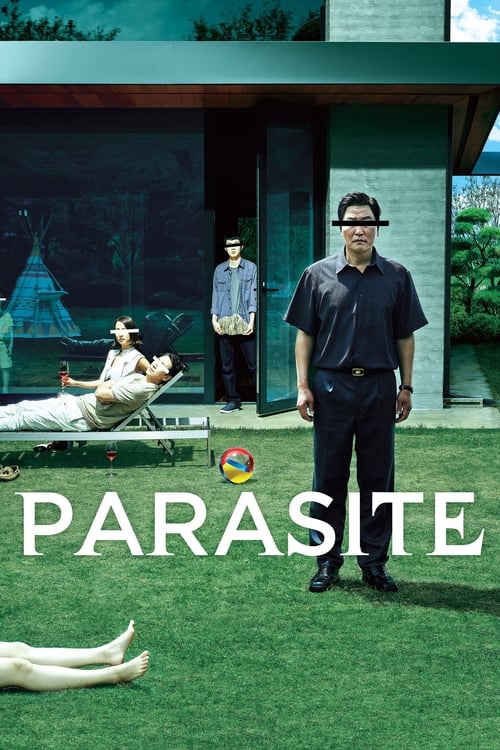
Parasite (2019)
All unemployed, Ki-taek's family takes peculiar interest in the wealthy and glamorous Parks for their livelihood until they get entangled in an unexpe...
4. Parasite (2019)
Director: Bong Joon‑ho | IMDB: 8.6/10 Bong’s Oscar‑winning thriller hides English‑language memes in the background—think a billboard advertising “Mansion” that reads like a parody of luxury branding. The script is razor‑sharp, but the pacing slows during the “garden” sequence, which can feel indulgent. The language Easter eggs, however, underscore the film’s critique of global inequality with sly precision. 🎬 Watch on Amazon Prime Video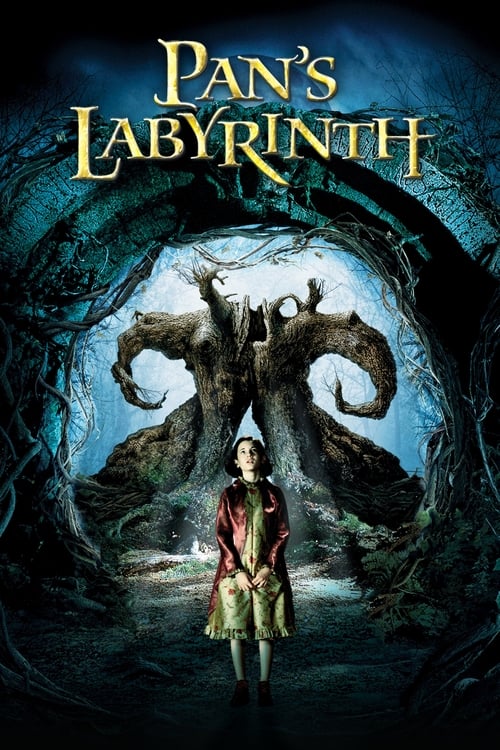
Pan's Labyrinth (2006)
In post–civil war Spain, 10-year-old Ofelia moves with her pregnant mother to live under the control of her cruel stepfather. Drawn into a mysteriou...
5. Pan’s Labyrinth (2006)
Director: Guillermo del Toro | IMDB: 8.2/10 Del Toro sprinkles Catalan folklore into the film’s dialogue, and a hidden phrase on the wall of the labyrinth reads “El niño que no teme,” a nod to a children’s poem that only Spanish‑speaking viewers catch. The visuals are breathtaking, yet some of the practical effects look dated compared to modern standards. The linguistic Easter eggs give the fantasy world a grounded, cultural authenticity. 🎬 Watch on Amazon Prime Video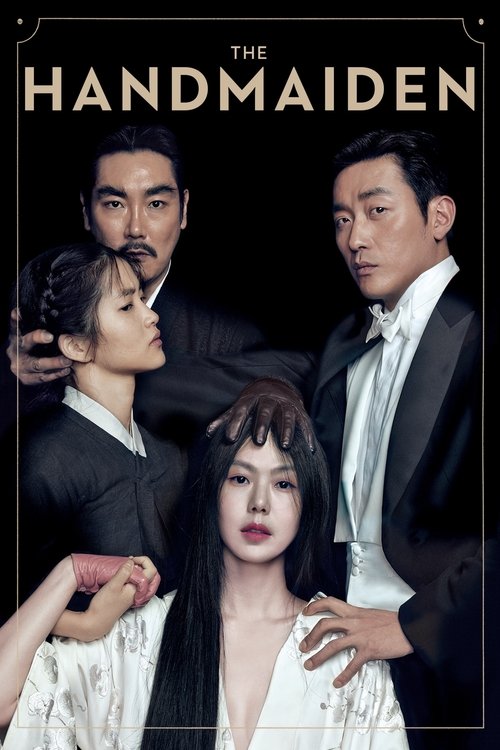
The Handmaiden (2016)
1930s Korea, in the period of Japanese occupation, a new girl, Sook-hee, is hired as a handmaiden to a Japanese heiress, Hideko, who lives a secluded ...
6. The Handmaiden (2016)
Director: Park Chan‑wook | IMDB: 8.1/10 Set in colonial Korea, the film layers Japanese, Korean, and English dialogue, inserting a cryptic haiku that appears on a diary page—only viewers who know the form realize it foreshadows betrayal. The narrative twists are brilliant, though the explicit content may deter some viewers. The multilingual wordplay is a testament to Park’s love for linguistic puzzles. 🎬 Watch on Amazon Prime Video
Room in Rome (2010)
A hotel room in the center of Rome serves as the setting for Alba and Natasha, two sexy and recently acquainted women, to have a physical adventure th...
7. Roma (2018)
Director: Alfonso Cuarón | IMDB: 7.7/10 Cuarón’s black‑and‑white homage to 1970s Mexico City includes a street vendor shouting a tongue‑twister that only native speakers can parse, turning a background sound into a character moment. The film’s slow‑burn style can feel meditative to a fault, and the runtime might test patience. Yet every whispered phrase feels purposeful, turning the city itself into a linguistic character. 🎬 Watch on Amazon Prime Video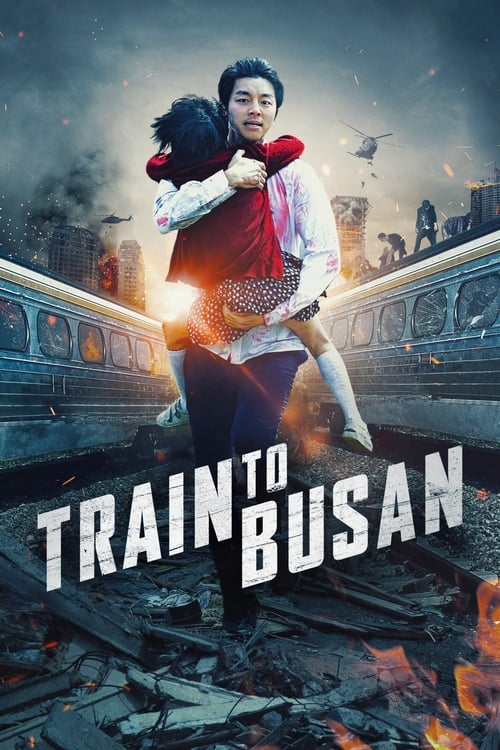
Train to Busan (2016)
When a zombie virus pushes Korea into a state of emergency, those trapped on an express train to Busan must fight for their own survival....
8. Train to Busan (2016)
Director: Yeon‑dong Kim | IMDB: 7.6/10 Amid the zombie apocalypse, a child’s repeated “엄마” (mom) is subtitled as “Mama,” but a hidden graffiti in the train car reads “죽음은 곧 시작이다” (“Death is just the beginning”), a line from a 1990s Korean rock song. The action is relentless, though the character development sometimes feels secondary to the gore. Those hidden lyrical references give the frantic ride an eerie, cultural resonance. 🎬 Watch on Amazon Prime Video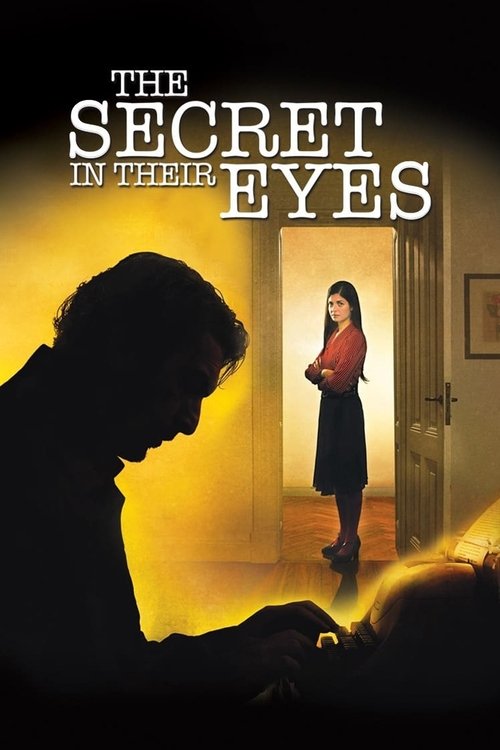
The Secret in Their Eyes (2009)
Hoping to put to rest years of unease concerning a past case, retired criminal investigator Benjamín begins writing a novel based on the unsolved mys...
9. The Secret in Their Eyes (2009)
Director: Juan José Campanella | IMDB: 8.2/10 This Argentine courtroom drama slips a line from Borges into a police report—only Argentine viewers catch the literary wink. The pacing drags during the courtroom monologues, and the romance subplot can feel contrived. Still, the subtle literary Easter egg adds depth to an already intricate plot. 🎬 Watch on Amazon Prime Video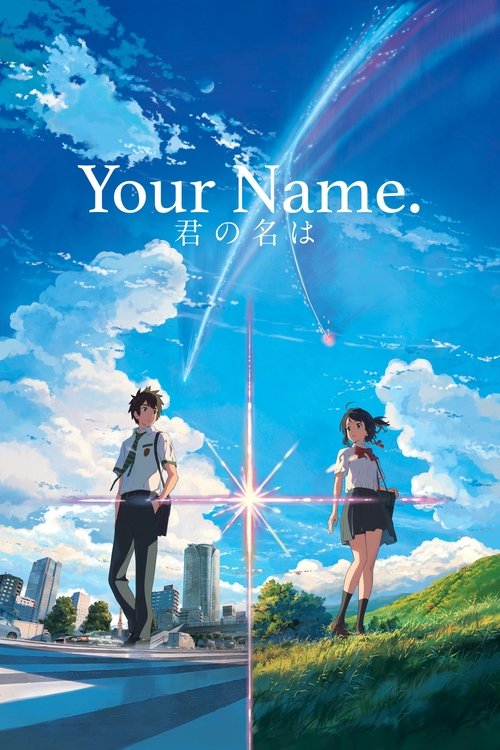
Your Name. (2016)
High schoolers Mitsuha and Taki are complete strangers living separate lives. But one night, they suddenly switch places. Mitsuha wakes up in Taki’s...
10. Your Name (2016)
Director: Makoto Shinkai | IMDB: 8.4/10 Shinkai’s anime romance hides a kanji pun on the characters’ names that flips meaning when read backward—an extra layer for bilingual fans. The animation is breathtaking, but the climax leans heavily on melodrama that may feel overcooked. The linguistic Easter egg, however, makes the body‑swap premise feel uniquely Japanese. 🎬 Watch on Amazon Prime VideoCinematic Linguistics: Decoding Hidden Language Easter Eggs in International Films isn’t just a hobby; it’s a way to engage with cinema on a deeper, more playful level. Each of these movies offers a different flavor of linguistic intrigue—whether it’s a sly subtitle slip, a background sign that flips meaning, or a line of poetry tucked into a prop. By watching with an ear for these details, you’ll discover that every film is a conversation between director, culture, and audience. So next time you hit play, keep your eyes on the captions and your ears on the background chatter—you might just catch a secret that changes the whole story.