What If Classic Movies Were Set in Different Eras? A Thought Experiment
Imagine “Casablanca” with smartphones, “Psycho” with TikTok, or “The Godfather” in a dystopian cyber‑future. The idea is deliciously absurd, but it also reveals how tightly a story’s DNA is woven into its time period. In this little thought experiment I’ll wander through a handful of iconic films and picture them transplanted into eras that never existed when they were made. The exercise isn’t just whimsical—it shows what makes each classic tick, and where the magic might sputter if you yank it out of its original context.
Why These Films Hit Different
First, classic cinema isn’t just a collection of pretty pictures; it’s a cultural snapshot. “Gone with the Wind” (1939) captures a South still reeling from Reconstruction, while “Blade Runner” (1982) reflects Cold‑War anxieties about corporate domination. When you strip a film of its era, you also strip away the social pressures, fashions, and technologies that shape its characters’ decisions. That’s why moving “Roman Holiday” from post‑war Italy to a hyper‑connected 2020s New York would feel like swapping a handwritten love letter for a Snapchat streak—something essential would be lost.
Second, the very constraints of a period can become a source of brilliance. Low‑budget black‑and‑white horror like “The Cabinet of Dr. Caligari” (1920) uses stark lighting to create dread because they didn’t have CGI. If you placed that story in a glossy, VFX‑heavy future, the raw, unsettling atmosphere might dissolve into cheap spectacle. In other words, the era can be a secret ingredient, and playing with it lets us taste both the strengths and the cracks of the original work.
Below is my curated list of movies that would be fascinating (or disastrous) if you tossed them into a different time slot. I’ve included the year, director, and current IMDB rating, followed by a short, honest take on how each film would survive the jump. Feel free to click the Amazon links if you want to own a copy and test the theory yourself.
The Movies You Need to Watch
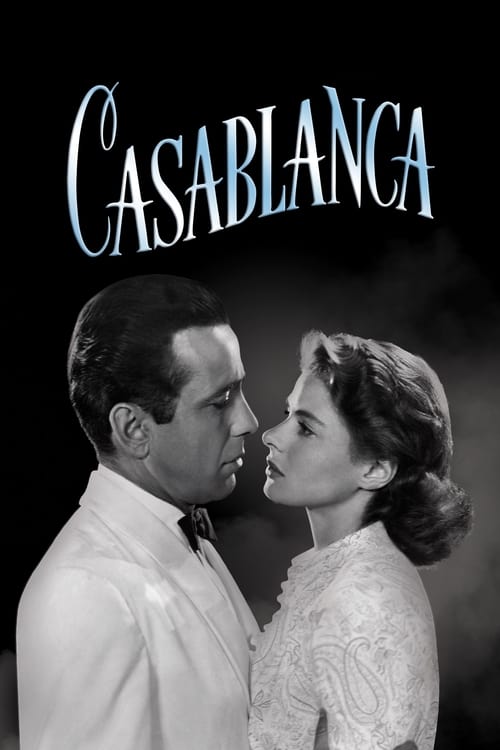
Casablanca (1943)
In Casablanca, Morocco in December 1941, a cynical American expatriate meets a former lover, with unforeseen complications....
1. Casablanca (1942)
Director: Michael Curtiz | IMDB: 8.5/10 Set against World War II’s smoky cafés, “Casablanca” thrives on a sense of urgency that only a global conflict can supply. Drop it into a 1990s corporate office and the stakes feel more like a bad coffee break than a life‑or‑death choice. The chemistry between Bogart and Bergman would still sizzle, but the moral weight of “the big picture” would feel contrived without the war’s looming shadow. 🎬 Watch on Amazon Prime Video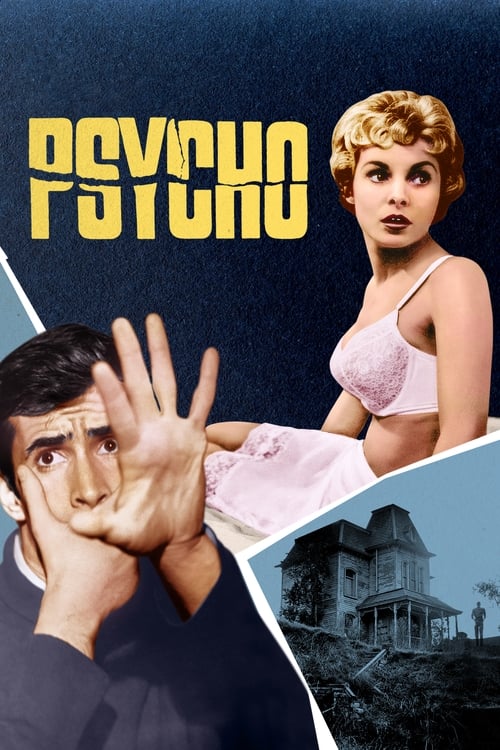
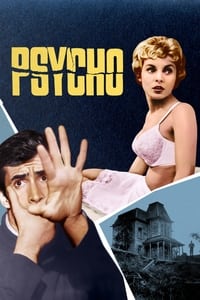
Psycho (1960)
When larcenous real estate clerk Marion Crane goes on the lam with a wad of cash and hopes of starting a new life, she ends up at the notorious Bates ...
2. Psycho (1960)
Director: Alfred Hitchcock | IMDB: 8.5/10 Hitchcock’s masterpiece hinges on a lone motel, a shower curtain, and a lack of surveillance. In a modern setting where everyone’s glued to smart devices, the infamous shower scene would lose its shock value—people would be livestreaming the whole thing. The film’s genius lies in what you don’t see; a hyper‑connected era would betray that subtle terror. Still, Anthony Perkins’ performance would remain chilling, even if the audience’s attention span had already moved on. 🎬 Watch on Amazon Prime Video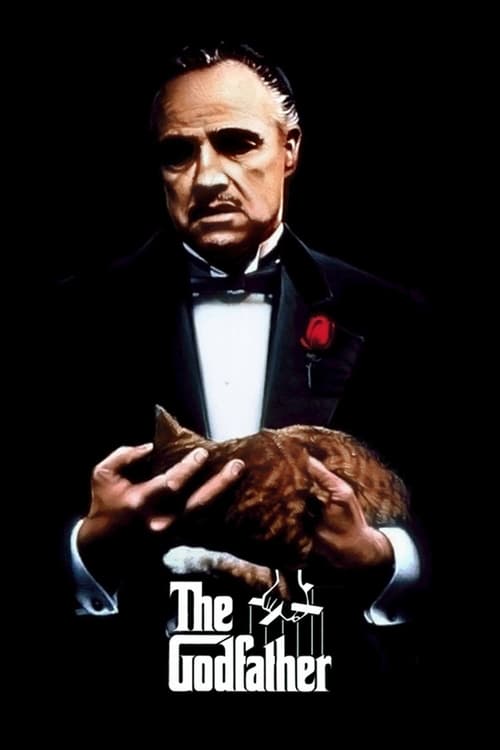
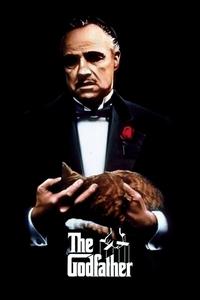
The Godfather (1972)
Spanning the years 1945 to 1955, a chronicle of the fictional Italian-American Corleone crime family. When organized crime family patriarch, Vito Corl...
3. The Godfather (1972)
Director: Francis Ford Coppola | IMDB: 9.2/10 Imagine the Corleone family running a tech empire in 2099, complete with AI‑driven hit squads. The timeless themes of loyalty and power would translate, but the gritty, analog feel of the original—smoke‑filled rooms, handwritten ledgers—would be replaced by sterile data centers, diluting the visceral sense of tradition. The film’s pacing, deliberately slow, might feel even more glacial against a backdrop of rapid digital turnover. Yet Marlon Brando’s gravitas would still command any boardroom, past or future. 🎬 Watch on Amazon Prime Video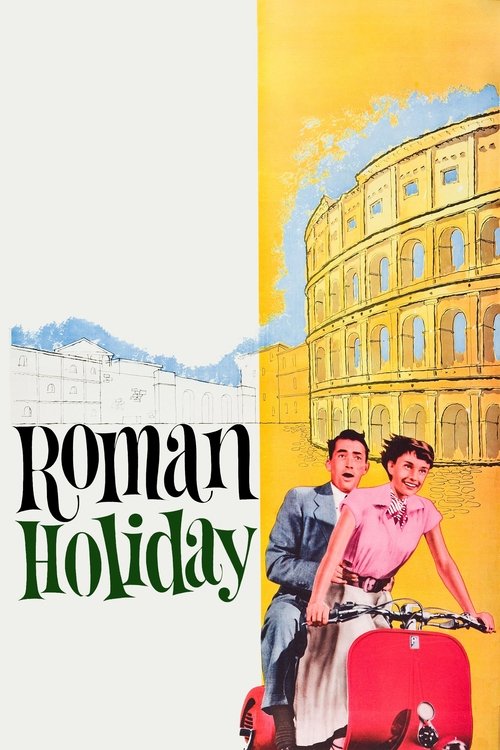
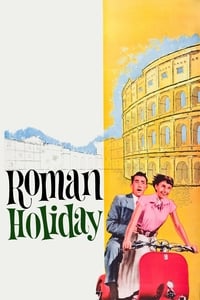
Roman Holiday (1953)
Overwhelmed by her suffocating schedule, touring European princess Ann takes off for a night while in Rome. When a sedative she took from her doctor k...
4. Roman Holiday (1953)
Director: William Wyler | IMDB: 8.0/10 A princess on the run in post‑war Rome is a romance built on serendipity and the charm of cobblestones. Place her in a bustling Seoul in 2025, and the spontaneous scooter ride becomes a ride‑share app glitch. The film’s heart—two strangers sharing a day—remains universal, but the wistful longing for an “unspoiled” Europe would be replaced by a longing for privacy in a hyper‑connected city. Audrey Hepburn’s luminous presence would still make any backdrop sparkle, even neon‑lit ones. 🎬 Watch on Amazon Prime Video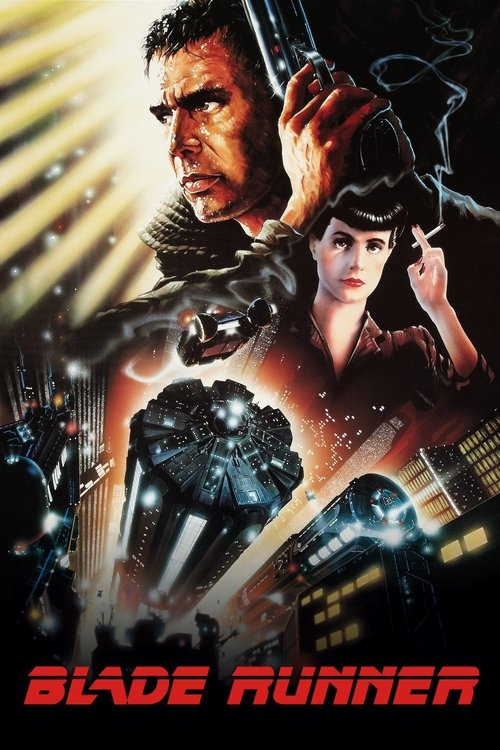
Blade Runner (1982)
In the smog-choked dystopian Los Angeles of 2019, blade runner Rick Deckard is called out of retirement to terminate a quartet of replicants who have ...
5. Blade Runner (1982)
Director: Ridley Scott | IMDB: 8.2/10 Now, try moving Deckard’s neon‑drenched Los Angeles to the 1960s “Space Age” optimism of the Apollo era. The bleak, rain‑slick streets would clash with the era’s glossy, optimistic design language. The film’s meditation on what it means to be human would feel oddly out of place amid a time when humanity believed it was on the brink of utopia. The special effects would look quaint, but the philosophical core could still provoke discussion—though perhaps with a different flavor of melancholy. 🎬 Watch on Amazon Prime Video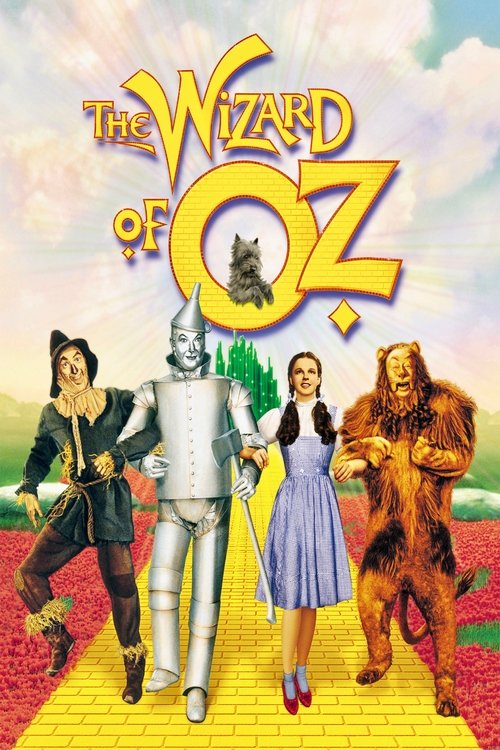
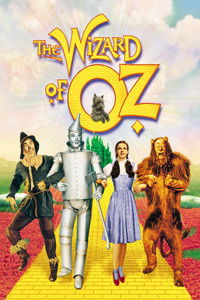
The Wizard of Oz (1939)
Young Dorothy finds herself in a magical world where she makes friends with a lion, a scarecrow and a tin man as they make their way along the yellow ...
6. The Wizard of Oz (1939)
Director: Victor Fleming | IMDB: 8.0/10 Swap the sepia‑to‑Technicolor transition for a VR headset that whisks Dorothy into a hyper‑realistic simulation. The original’s wonder comes from its hand‑crafted sets and vivid colors; a modern CGI world would risk feeling too polished, stripping away the tactile magic of the Emerald City. Judy Garland’s vocal power would still cut through any digital haze, but the story’s simple moral about “there’s no place like home” might feel overwritten by a barrage of tech‑driven distractions. 🎬 Watch on Amazon Prime Video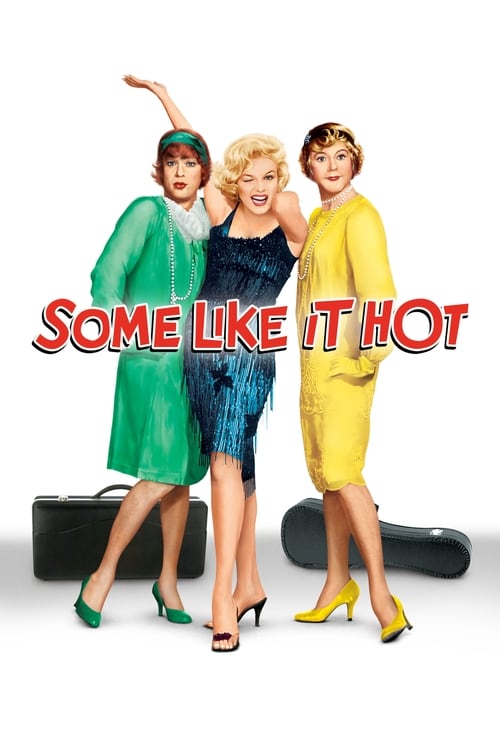
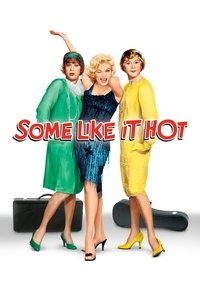
Some Like It Hot (1959)
In Prohibition-era Chicago, musicians Joe and Jerry witness a mob hit, and flee the state in an all-female band disguised as Josephine and Daphne, but...
7. Some Like It Hot (1959)
Director: Billy Wilder | IMDB: 8.2/10 Picture Tony Curtis and Jack Lemmon’s cross‑dressing escapade in the world of TikTok influencers. The original’s slapstick thrives on gender expectations of the 1950s; a 2020s setting would replace those expectations with a whole new set of memes and cancel‑culture pitfalls. The jokes about “being a man” would have to be re‑written, and the film’s rapid‑fire dialogue might feel outpaced by today’s meme‑driven humor. Still, Wilder’s razor‑sharp wit could carve out a fresh comedic niche—if the script got a modern overhaul. 🎬 Watch on Amazon Prime Video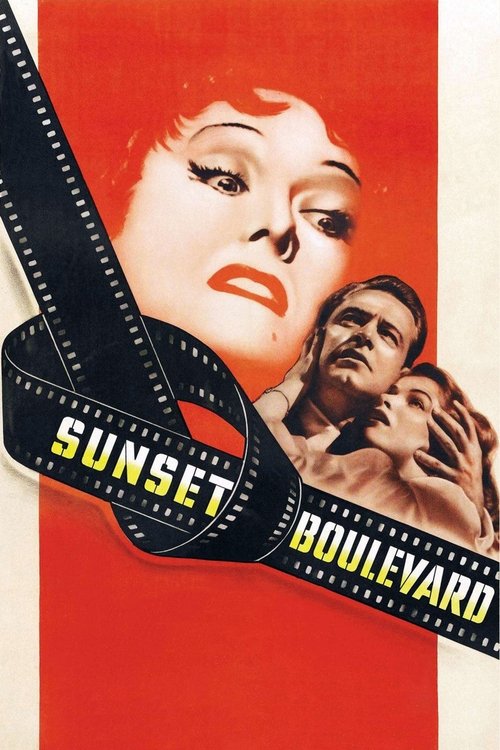
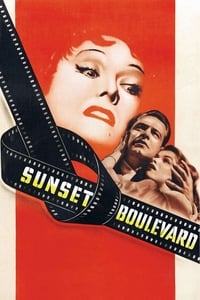
Sunset Boulevard (1950)
A hack screenwriter writes a screenplay for a former silent film star who has faded into Hollywood obscurity....
8. Sunset Boulevard (1950)
Director: Billy Wilder | IMDB: 8.4/10 What if Norma Desmond’s faded glory lived in the era of YouTube starlets and viral fame? The tragedy of a silent‑era star clinging to relevance would translate eerily well to a modern influencer losing followers overnight. The iconic “I am big! I’m big! It’s the pictures that got small” line could be reimagined as a rant about algorithm changes. The film’s dark satire would stay razor‑sharp, though the black‑and‑white cinematography would need a new visual language to capture the same oppressive glamour. 🎬 Watch on Amazon Prime Video
The Graduate (1967)
A disillusioned college graduate finds himself torn between his older lover and her daughter....
9. The Graduate (1967)
Director: Mike Nichols | IMDB: 8.0/10 Transport Benjamin Braddock’s post‑college malaise to a gig‑economy world of freelance app developers. The “Mrs. Robinson” seduction would become a power‑play over a startup’s equity, and the iconic “Mrs. Robinson, huh?” line might morph into a snarky Slack message. The film’s critique of suburban conformity would still resonate, but the visual language of 1960s California would need to be swapped for a sleek, co‑working space aesthetic. The awkwardness of the famous pool scene could survive as a VR‑immersive experience gone wrong. 🎬 Watch on Amazon Prime Video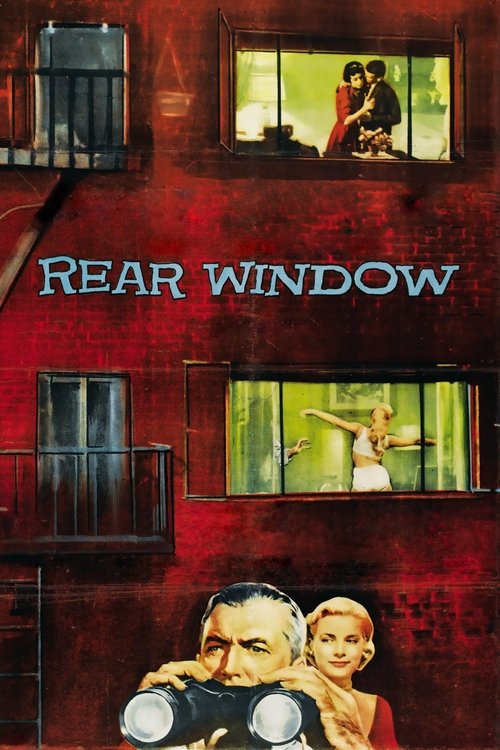
Rear Window (1954)
A wheelchair-bound photographer spies on his neighbors from his apartment window and becomes convinced one of them has committed murder....
10. Rear Window (1954)
Director: Alfred Hitchcock | IMDB: 8.5/10 Finally, picture L.B. “Jeff” Jeffries as a social‑media voyeur livestreaming his neighbors’ lives from his apartment. The original’s tension hinges on the limits of sight; with drones and 24/7 streaming, the mystery would evaporate instantly. The film would have to reinvent the suspense by focusing on data privacy rather than visual observation. James Stewart’s charismatic curiosity would still draw you in, but the story would need a fresh hook to keep the audience perched on the edge of their seats. 🎬 Watch on Amazon Prime Video---
These ten classics prove that the era they were born into is more than just a backdrop—it’s a character in its own right. Some would survive a temporal transplant with only minor adjustments; others would crumble under the weight of an anachronistic setting. The exercise reminds me why I keep returning to these films: they’re not just stories, they’re time capsules that capture a slice of humanity we can’t replicate with CGI alone.
If you’ve ever wondered how a story might shift when the world changes around it, grab a copy of any of these movies and imagine the alternate reality that could have been. It’s a playful way to appreciate the craftsmanship that went into each original, and a reminder that great cinema can spark imagination—no matter the era.